
Data and CRM connection
HubSpot CMS keeps website activity, contacts and deals in one place. WordPress relies on additional tools and integrations to create the same level of visibility.
Most comparisons between HubSpot CMS and WordPress focus on features, themes or plugins. That is not where the real difference sits.
The real difference is how your website connects to your CRM, your data and your sales process. HubSpot CMS is designed as part of a connected system. WordPress relies on additional tools to achieve the same outcome.
HubSpot CMS is a website platform built directly into a CRM, meaning your website, data and sales activity all live in one system. WordPress is an open content management system that can be extended through plugins and custom development, often requiring additional tools to connect it to the rest of your business.
Most businesses choose between HubSpot CMS and WordPress based on familiarity or cost. In reality, the decision should be based on how your website needs to behave inside your wider system. Without that clarity, platforms that rely on plugins and integrations can become difficult to manage over time.
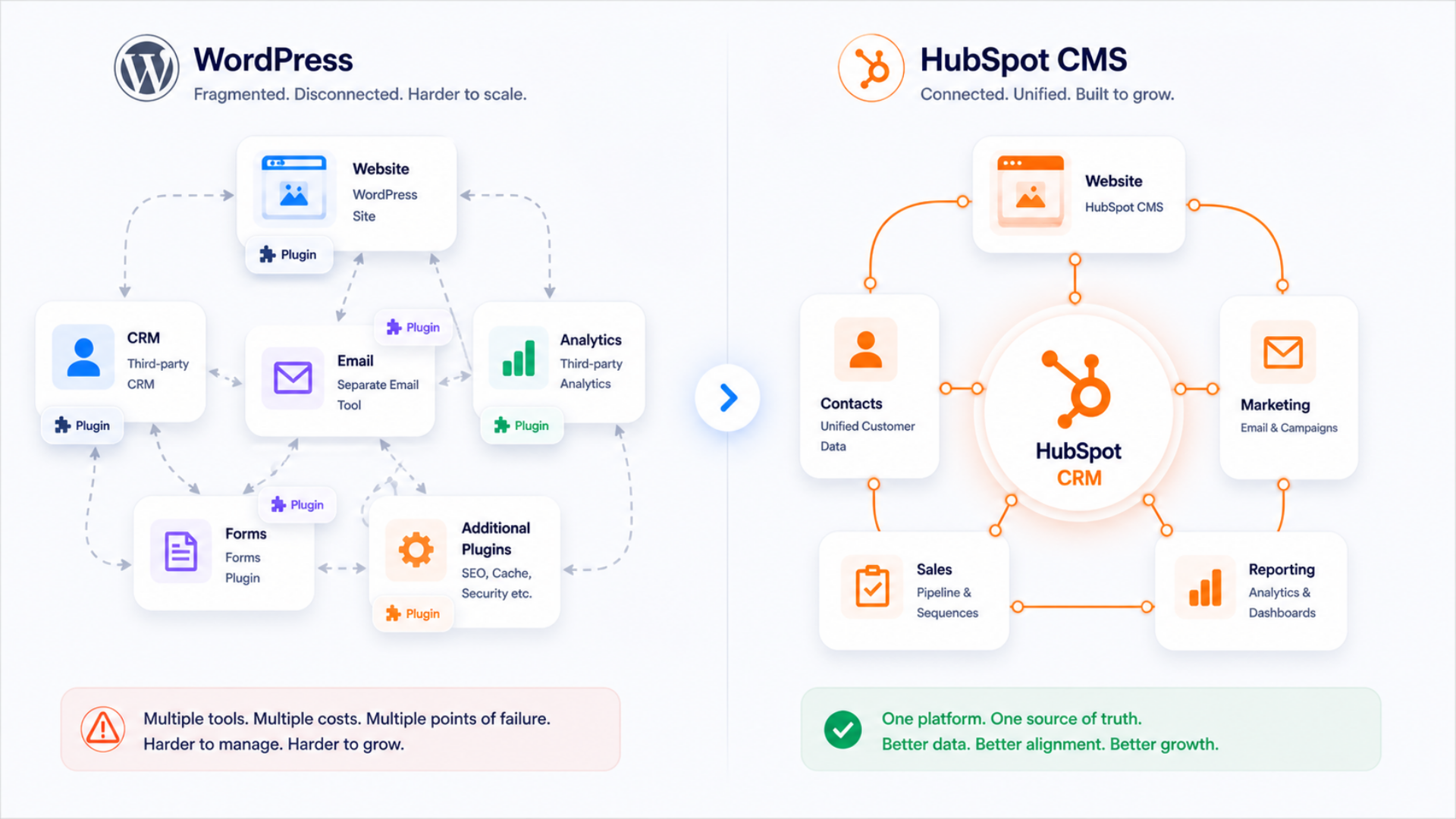
The comparison is less about features and more about how each platform works inside your business system.
HubSpot CMS keeps website activity, contacts and deals in one place. WordPress relies on additional tools and integrations to create the same level of visibility.
WordPress relies on plugins and custom development, which can introduce complexity over time. HubSpot CMS supports structured, scalable builds, including fully custom development within one system.
WordPress sites require plugin updates, maintenance and ongoing oversight. HubSpot CMS is hosted, managed and maintained within a single platform.
As requirements increase, WordPress setups expand through plugins and integrations. HubSpot CMS keeps structure consistent, making it easier to scale without added complexity.
Most businesses do not struggle because they chose the wrong platform. They struggle because their website is not properly connected to how leads are captured, routed and followed up. A well-structured system will always outperform a poorly structured one. The difference is that some platforms make that structure easier to maintain over time.
The difference is not technical. It is operational.
Direct answers to the questions growing businesses ask when choosing between HubSpot CMS and WordPress.
It depends on your goals. HubSpot CMS is better for businesses that want a connected, scalable system with fewer moving parts. WordPress is often used by businesses that are comfortable managing multiple tools, plugins and custom integrations.
On the surface, yes. But once hosting, plugins, maintenance and integrations are included, the cost difference is often smaller than expected.
Yes, but it typically requires third-party tools and integrations. HubSpot CMS includes this natively as part of the platform.
Businesses that rely on inbound leads, structured sales processes and CRM visibility, and want their website to operate as part of a connected system.
Businesses that already have development resources in place and are comfortable managing a more modular, plugin-driven setup.
The right platform is the one that best matches how your website, CRM and sales process need to work together.
Book a discovery call →No pressure. No hard sell. Just practical guidance.
Most businesses do not need more features. They need a system that works properly.
They need a website that works properly with their CRM, data and sales process.
No pressure. No hard sell. Just practical guidance.