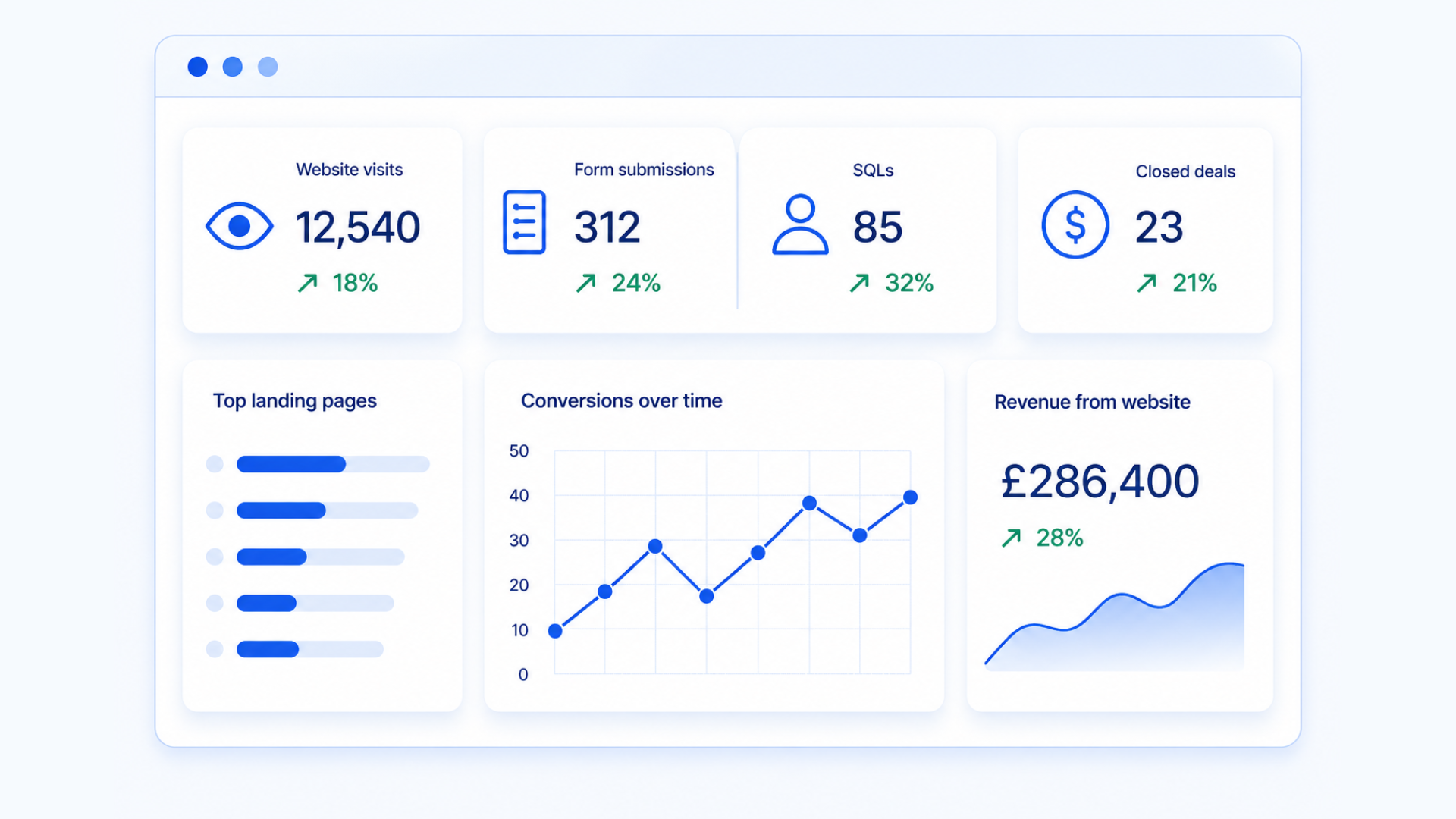

The Revenue Interface

Most websites are judged on performance they do not control.

The Revenue Interface reframes your website as part of a connected system, where conversion is driven by structure, not surface design.

In simple terms

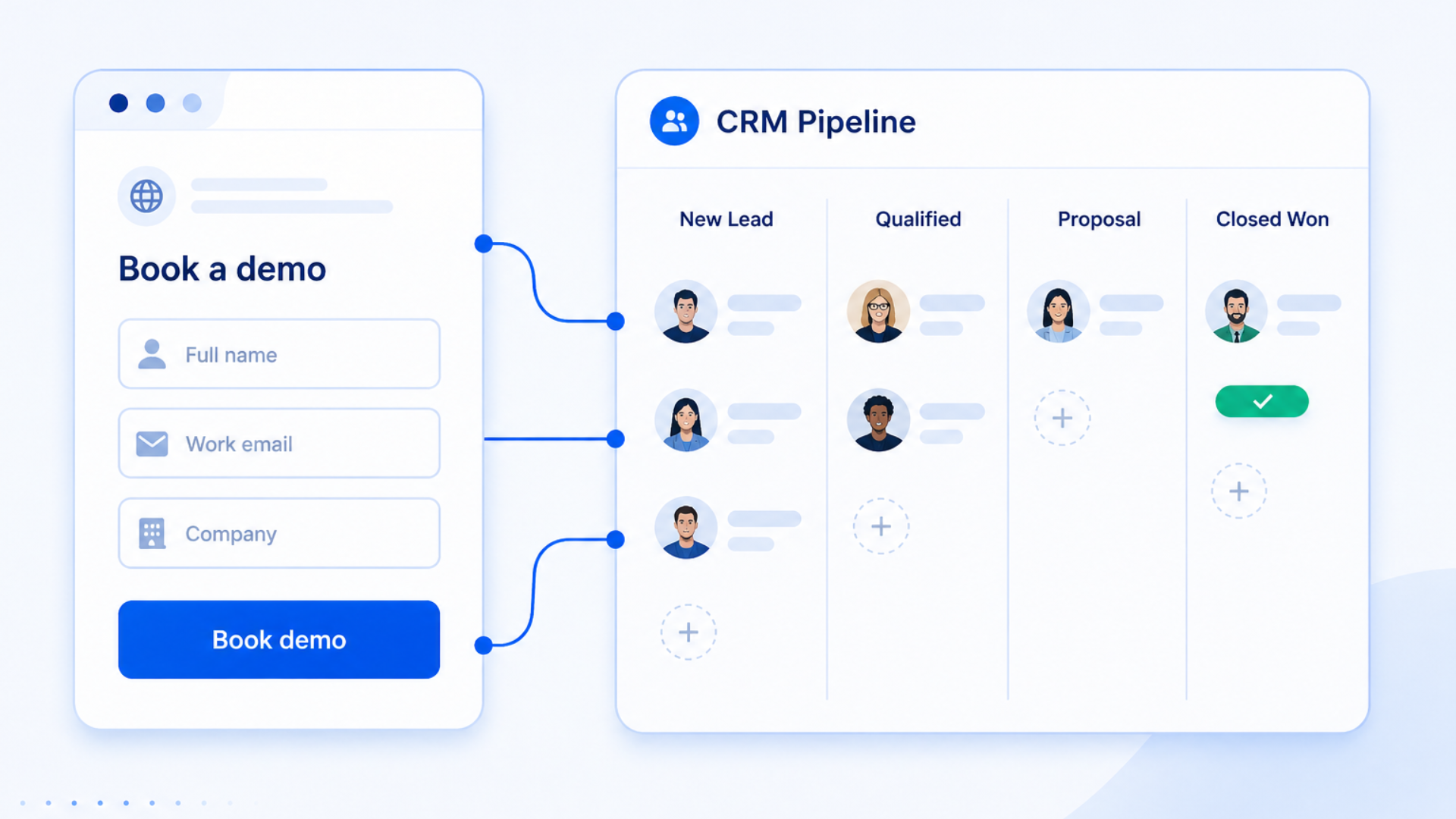
The Revenue Interface is the layer where your website, CRM and pipeline connect.

It defines how intent is captured, structured and progressed through your business.

It is not a redesign. It is a structural alignment that ensures your website reflects how your revenue actually works.

A website cannot fix a disconnected system. If your CRM, pipeline and lifecycle are not aligned, the website will only expose the problem faster.

What the Revenue Interface enables

When your website, CRM and pipeline are aligned, conversion becomes measurable, progression becomes controlled and optimisation is driven by real outcomes.

Conversion visibility

You can see exactly where interest becomes pipeline, and where it drops.

Lifecycle alignment

Your website reflects real buyer stages, not assumed journeys.

Sales connection

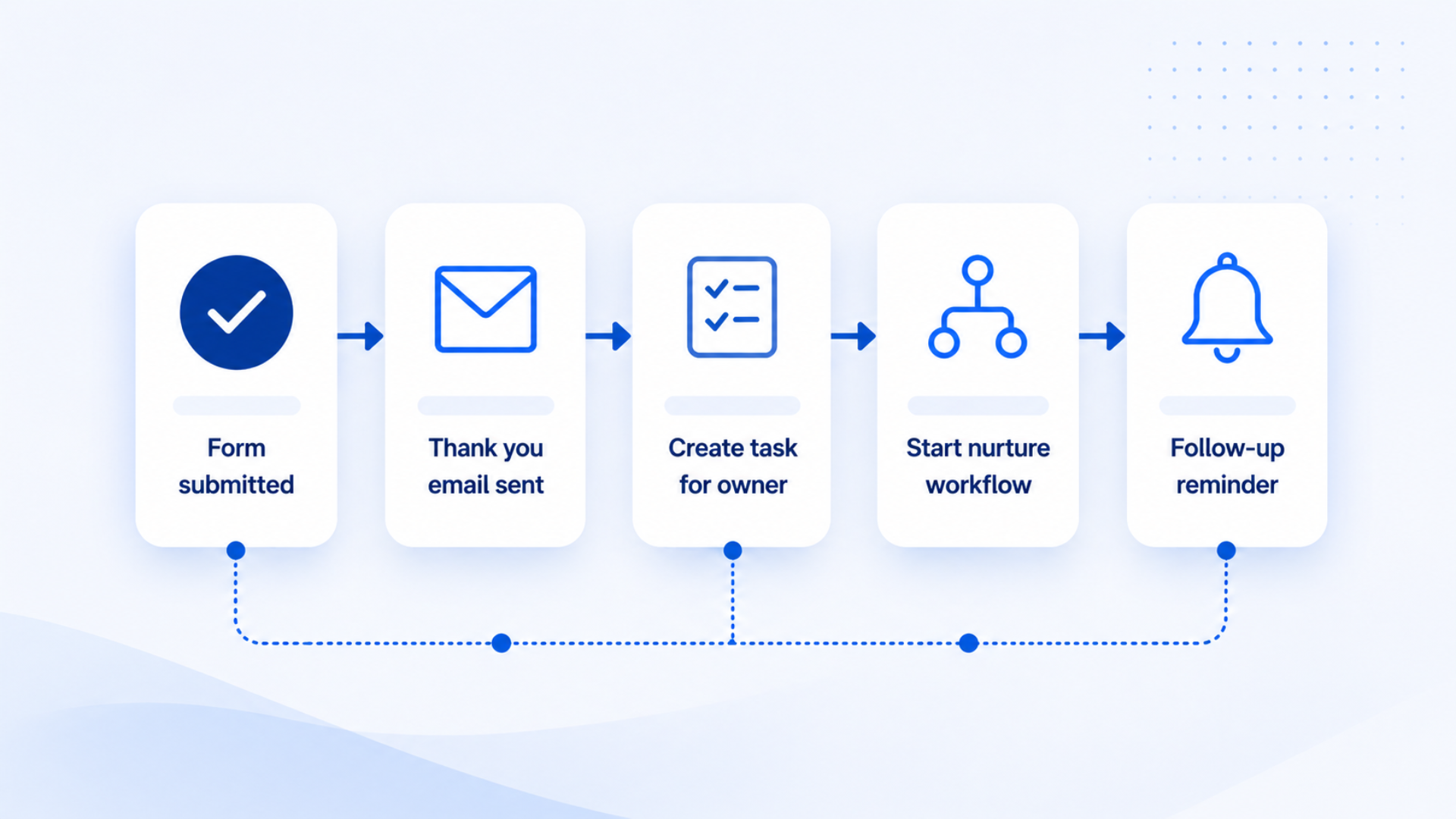
What happens after form submission is structured, not left to chance.

Feedback loop

Pipeline activity informs ongoing optimisation of the website.

The reality is

Most websites do not fail because of design.

They fail because they sit on top of disconnected systems that were never designed to work together.

When conversion drops, businesses change the website. In reality, the issue is usually how revenue is structured behind it.

How the Revenue Interface works

The Revenue Interface sits between your website and pipeline. It ensures intent is captured, structured and progressed in a way your teams can actually use.

Intent is captured

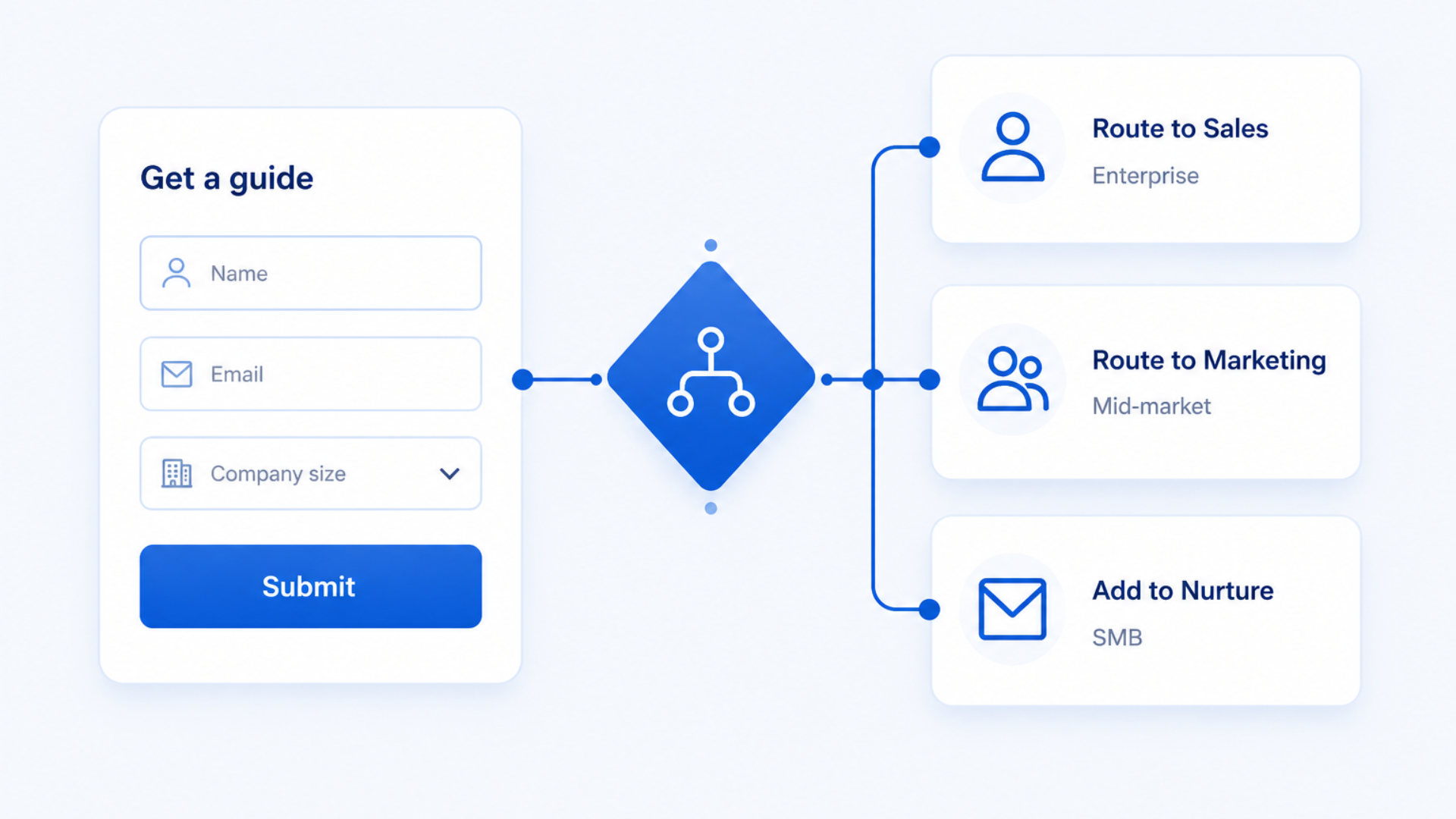
The website collects structured data, not just form fills.

Lifecycle is defined

Contacts are placed into meaningful stages aligned with your sales process.

Progression is controlled

Movement from interest to pipeline follows clear rules.

Feedback is applied

Sales outcomes inform ongoing optimisation of the interface.

Conversion quality depends on structure, not just design.

The Revenue Interface ensures website performance is tied to real pipeline outcomes, not isolated conversion events.

Talk through your Revenue Interface setup

No pressure. No hard sell. Just practical guidance.

Without Revenue Interface vs With Revenue Interface

The difference is whether your website operates in isolation or as part of a connected revenue system.

Without Revenue Interface

  • Website operates independently of CRM
  • Conversion data is incomplete
  • Sales teams work in isolation
  • Optimisation is based on guesswork
  • Performance issues repeat after redesign

With Revenue Interface

  • Website, CRM and pipeline are connected
  • Conversion is measurable end-to-end
  • Sales and marketing operate as one system
  • Optimisation is driven by real outcomes
  • Improvements compound over time

Common questions about The Revenue Interface

Direct answers to the questions teams ask when restructuring how websites connect to CRM and pipeline.

Is the Revenue Interface a redesign?

No. The Revenue Interface is a structural alignment layer. It can include design improvements, but its core purpose is connecting website intent, CRM data and pipeline progression.

Does this require HubSpot CMS?

No. HubSpot CMS can support this approach well, but the Revenue Interface can be implemented with other CMS platforms when the underlying CRM and lifecycle structure are defined properly.

What if we already have a website?

That is normal. Most businesses apply the Revenue Interface to an existing site by improving structure, forms, lifecycle mapping and handoff logic rather than rebuilding everything.

Where does this sit in relation to CRM?

It sits directly on top of CRM structure. The Revenue Interface ensures website intent enters CRM cleanly, progresses through meaningful lifecycle stages and supports sales execution.

How is this different from CRO?

CRO usually focuses on front-end conversion uplift. The Revenue Interface focuses on structural alignment from first visit through to pipeline outcome, so improvements are operational as well as visual.

See how your website actually contributes to pipeline

If your website is not converting, the issue is often structural, not visual.

We help businesses define and implement a Revenue Interface so their website, CRM and pipeline work as one.

  • Clear handoff from website intent into CRM stages
  • Structured progression from lead to pipeline
  • Conversion optimisation grounded in real sales outcomes

No pressure. No hard sell. Just practical guidance.